
Understanding Blepharoplasty in Kelowna: What to Expect
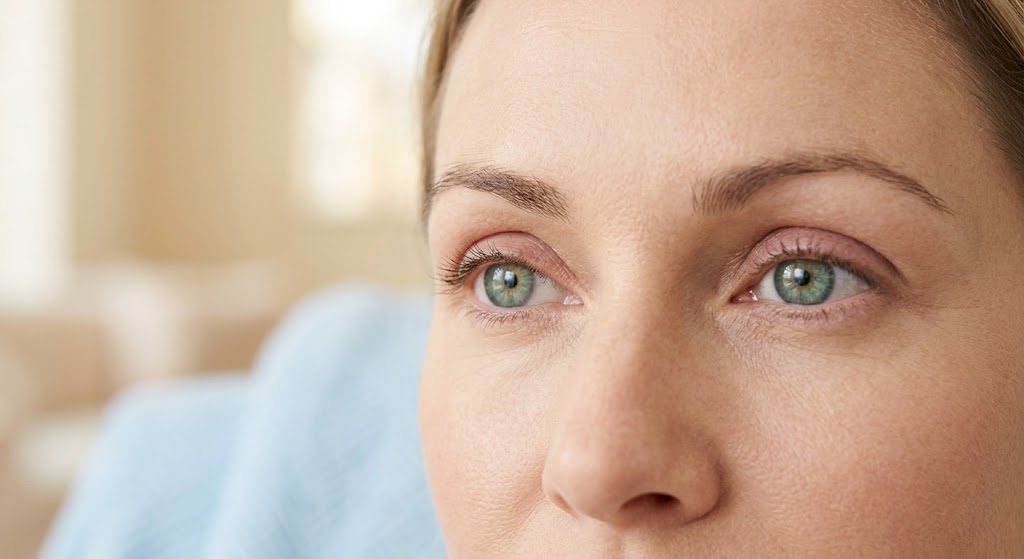
If you are exploring options for eyelid rejuvenation or vision improvement, learning about blepharoplasty Kelowna services is a great starting point. Over time, the delicate skin around our eyes naturally loses collagen and elasticity. This process often causes the upper eyelids to stretch, sag, and feel surprisingly heavy. While some individuals seek treatment for aesthetic reasons, others struggle with overhanging tissue that actually obstructs their upper field of view. Understanding how the procedure works, what qualifications your surgeon should possess, and how to navigate recovery helps you make confident, informed choices about your eyes.
What Is Upper Blepharoplasty and How Does It Work?
An upper blepharoplasty is a specialized surgical procedure designed to remove redundant skin, muscle, and occasionally excess fat from the upper eyelids. Your eyes are often the very first feature people notice during daily interactions, making eyelid changes particularly noticeable. As this tissue loosens, it can easily create a tired, heavy appearance, even when you feel well-rested.
During an eyelid surgery evaluation, a doctor measures your eyelid position and assesses your tear film stability. The procedure itself involves creating precise incisions within the natural crease of your upper eyelid. Through these discrete openings, excess tissue is carefully trimmed or repositioned. Because the incisions align directly with your natural skin folds, the resulting healing lines remain well-concealed once they fully mature.
Functional vs. Cosmetic Considerations in Eyelid Surgery
People choose to undergo eyelid procedures for various personal and medical reasons. Distinguishing between functional needs and cosmetic goals helps clarify what you can realistically anticipate from your surgical journey:
- Functional Needs: Heavy, sagging eyelid skin can physically hang over your lash line and obscure your upper peripheral vision. This extra weight can also cause strain in your forehead muscles from constantly lifting your brows just to see clearly. Functional surgery clears this visual obstruction and helps reduce daily eye fatigue.
- Cosmetic Goals: Many individuals seek Kelowna cosmetic surgery options to refresh their facial appearance. Addressing drooping upper eyelid tissue creates an open, rested contour without altering your fundamental facial features or natural eye shape.
Why Choose an Ophthalmologist in Kelowna for Your Eyelid Care?
The anatomical structures around your eye are intricate and incredibly delicate. Choosing a specialized ophthalmologist in Kelowna helps keep your ocular health as the primary focus of your care. An ophthalmologist in Kelowna is a medical doctor who completes years of dedicated residency training focusing entirely on the eye and surrounding facial anatomy.
When you consult an Okanagan eye md, you receive care from a physician who understands exactly how eyelid adjustments interact with corneal protection, tear production, and proper eye closure. At Restore surgical center, Dr. Keith Yap, FRCSC, evaluates every patient through a comprehensive clinical exam. This thorough approach helps align your cosmetic or functional goals with long-term ocular health.
What to Expect: Pre-Op, Procedure, and Post-Op Care
Preparing for surgery involves understanding each phase of your care. Below is a quick overview comparing what occurs before, during, and after your eyelid procedure:
| Phase | Clinical Focus | Key Patient Responsibilities |
|---|---|---|
| Pre-Operative Care | Comprehensive ocular exam, vision field testing, and precise surgical mapping. | Adjust medications as directed, arrange a driver, and set up a quiet resting space at home. |
| Surgical Procedure | Performed using local anesthesia to numb the area; conservative removal of excess skin. | Rest comfortably during the short visit; follow all immediate post-procedure instructions. |
| Early Recovery (Days 1–7) | Monitoring initial healing; managing temporary swelling and mild bruising. | Apply cold compresses, use prescribed eye drops, and strictly avoid bending or heavy lifting. |
| Long-Term Healing (Weeks 2–6+) | Tissue maturation, suture removal check, and gradual fading of incision lines. | Protect eyes from sun exposure with UV sunglasses; refrain from wearing eye makeup until cleared. |
Navigating Post-Operative Care and Healing Guidelines
Post-operative care plays a massive role in supporting your body’s natural healing process. Following your surgeon’s aftercare plan helps minimize discomfort and protects your delicate incisions from unnecessary irritation.
During the first 48 hours, applying cold compresses intermittently helps control initial swelling and bruising. You should keep your head elevated on several pillows, even while sleeping, to encourage fluid drainage away from your face. Most patients experience mild tightness or scratchiness, which can be easily managed with prescribed lubricating eye drops or recommended ointments.
Activities that increase pressure in your head, such as heavy lifting, vigorous exercise, or frequent bending, must be avoided for at least two weeks. Additionally, you should protect your healing skin from direct sunlight by wearing wide-brimmed hats and dark UV-blocking sunglasses whenever you step outdoors. Detailed clinical guidelines regarding patient safety and surgical standards are actively maintained by the College of Physicians and Surgeons of British Columbia.
Frequently Asked Questions (Q&A)
Q: Is upper blepharoplasty performed under general or local anesthesia? A: Upper eyelid procedures are typically performed under local anesthesia, sometimes combined with mild oral sedation for comfort. This allows you to remain relaxed throughout the brief procedure while keeping the initial recovery process very straightforward.
Q: How long do I need to take off work after eyelid surgery? A: Most patients feel comfortable returning to non-strenuous desk work within 7 to 10 days. If your job involves heavy physical labor, dusty environments, or intense exertion, your surgeon may recommend resting for two full weeks before returning to your regular duties.
Q: Will blepharoplasty fix drooping eyebrows or deep forehead lines? A: No. An upper eyelid lift specifically addresses redundant skin and tissue on the eyelid itself. If your heavy eyelids are primarily caused by a descending eyebrow line, a brow lift or alternative treatment may be discussed during your consultation. Additional information on comprehensive eye health can be explored through the Canadian Ophthalmological Society.
Q: When can I wear contact lenses again after surgery? A: You should avoid wearing contact lenses for at least two to three weeks following your procedure. Inserting and removing lenses naturally stretches the eyelids, which can irritate your healing incisions. You should plan to wear your prescription eyeglasses during this temporary healing period.
Consult an Eyelid Specialist in Kelowna
Understanding your personal options always starts with a detailed clinical assessment. If heavy eyelids are affecting your visual clarity or daily confidence, seeking professional guidance is an important step.
At Restore Surgical Centre, Dr. Keith Yap, FRCSC, and our dedicated clinical team provide focused, personalized care for patients across the Okanagan Valley. Contact Restore Surgical Centre today to schedule your consultation and learn more about upper blepharoplasty options.